Why is it so hard to say no? | Nudge Newsletter


Small Bets

​Read online​


Hi Phill, here!

I've got a small request.

Can you open up your web search history and send me a screenshot of it?

...

...

...

Alright, I'm joking. Please don't do that.

But that's what my recent guest on Nudge, Prof Vanessa Bohns, asked 153 people in her 2024 study.¹

Before you read on, ask yourself, how many people do you think said yes to this request?

5%?

10%?

Maybe 15%?

When Vanessa asked people to unlock their password-protected smartphones so that they could look through their web search history, some participants blurted out the embarrassing things they had searched for.

They tried to explain rather than simply saying no. ("Okay, [...] but let me explain why I searched for how tall Peppa Pig is!")

Nearly 80% of participants in that study said the reasonable thing to do would be to say no to this request.

But when we actually made this request of a separate group of participants, only 8% could actually bring themselves to refuse.

92% agreed to share their web history with a complete stranger.

We say yes far more than we might expect. Which is why I advise people to make dozens of small bets.

I talk about the small bets principle in more detail on the podcast, but the basic principle is simple

People say yes more than you'd expect, so you're better off asking for more than you otherwise would.

Give it a try and let me hear how you get on.


Here's my request for you...

Sign up to Nudge Vaults for free to preview 50 of my favourite behavioural science insights.

Preview the Vaults right now →​

Cheers,

​Phill​

P.S. I've read 50 books so far this year; the best book fiction I've read is...

¹Sommers, R., & Bohns, V. K. (2024). Consent searches and underestimation of compliance: Robustness to type of search, consequences of search, and demographic sample. Journal of Empirical Legal Studies, 21(1), 4–34.

As a behavioural science practitioner, I believe in the peak-end rule.

​Tune into Nudge | Advertise with Nudge | Unsubscribe

Nudge Newsletter

I spend 18 hours each week turning marketing psychology into readable newsletters.

Read more from Nudge Newsletter

Job Interviews Read online An old colleague of mine was fired for spending hours at work playing video games. I always wondered how they'd deal with this dismissal in future job interviews. Should they admit to the mistake? Deny it? Or stay silent? That's what Donald Ferrin and his colleagues tested in 2007. 102 participants watched a video of a job interview. In the video, the interviewer raises a problem with the candidate's experience. A reference said that the candidate had made a mistake...

windows-and-doors-front

Handwritten Notes Read online Specsavers turns over £4 billion each year, but the co-founder still spends time writing birthday cards for employees. She says, "It's caring for the people that are at the sharp end, working really hard every day, to make sure that nobody falls through the net." She does it every weekend without fail. It can be 500 cards each week. “If anyone has a baby or someone’s relative dies, I will be writing a card." But why bother? Well, because paradoxically, a...
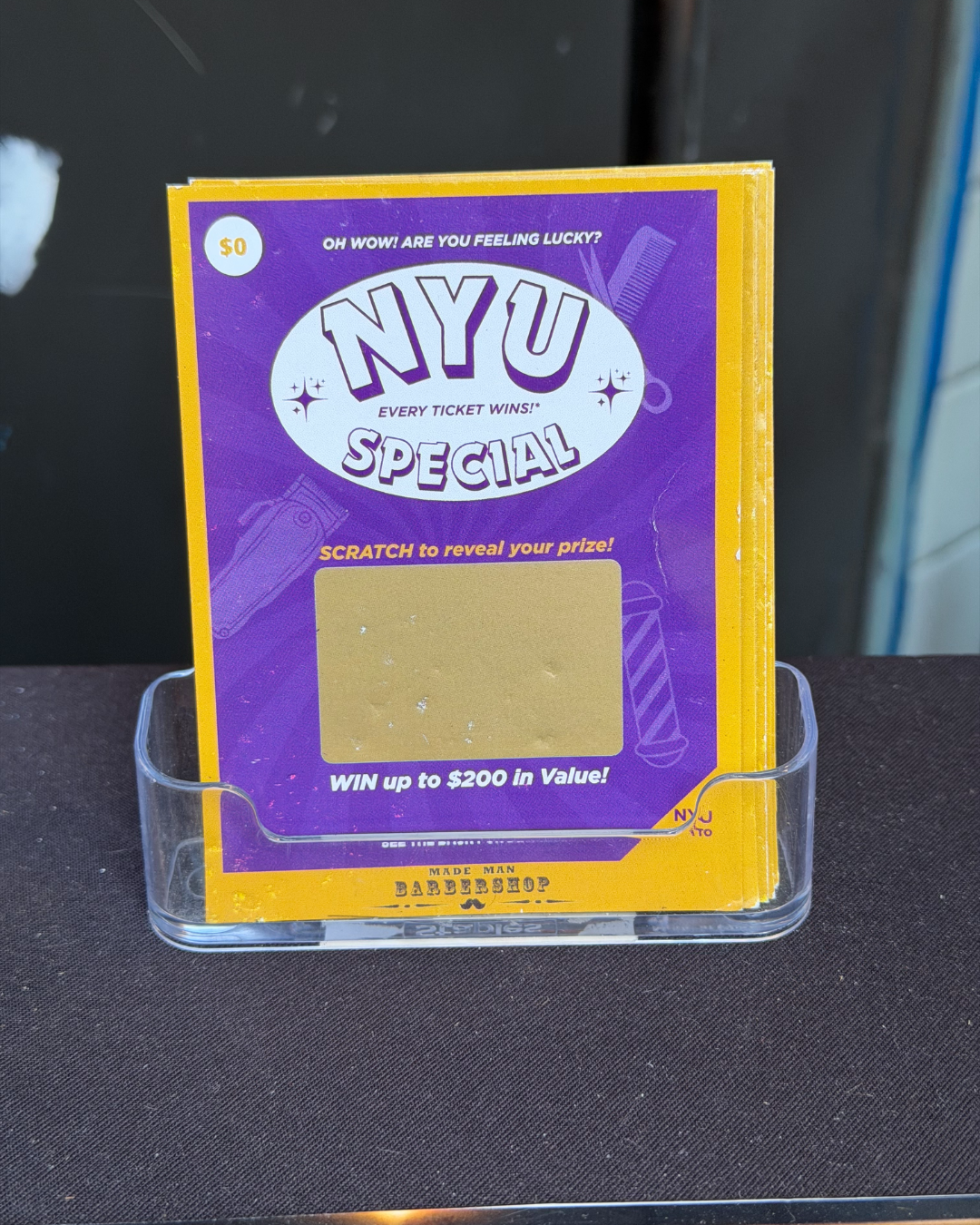
Mystery Gifts Read online Would you go for this? It’s eufy’s UK page for a mystery gift. You get one of these security cameras for free, picked at random, and the “£499” is just the most it could be worth. Now, I have no idea if anyone is buying this. But I love it because it leverages two wonderful behavioural science principles. Free needs a value Imagine you're offering a free product in your bundle. For example, I bought a reMarkable tablet recently, which came with a free stylus....