Each week Specsavers founder writes 500 letters to staff | Nudge Newsletter


Handwritten Notes

​Read online​


Specsavers turns over £4 billion each year, but the co-founder still spends time writing birthday cards for employees.

She says, "It's caring for the people that are at the sharp end, working really hard every day, to make sure that nobody falls through the net."

She does it every weekend without fail. It can be 500 cards each week.

“If anyone has a baby or someone’s relative dies, I will be writing a card."

But why bother?

Well, because paradoxically, a handwritten note, in a world of AI-generated digital content, can be remarkably persuasive.

Handwritten notes

In 2013¹, Irish Revenue sent a survey to 2,000 businesses.

300 of them, chosen at random, got the same survey with a personalised, handwritten Post-it note stuck on it.

After 15 working days, 36% of the Post-it group had responded, against 19.2% of the control group. The Post-it note roughly doubled responses, with most of the lift coming just after the letters arrived.

It built on a 2005 study by Randy Garner².

In that study, a handwritten Post-it on survey materials raised response rates from 36% to 76%, and also improved the quality and speed of the replies.

I think this effect is only amplified today, when digital messages are even more normalised.

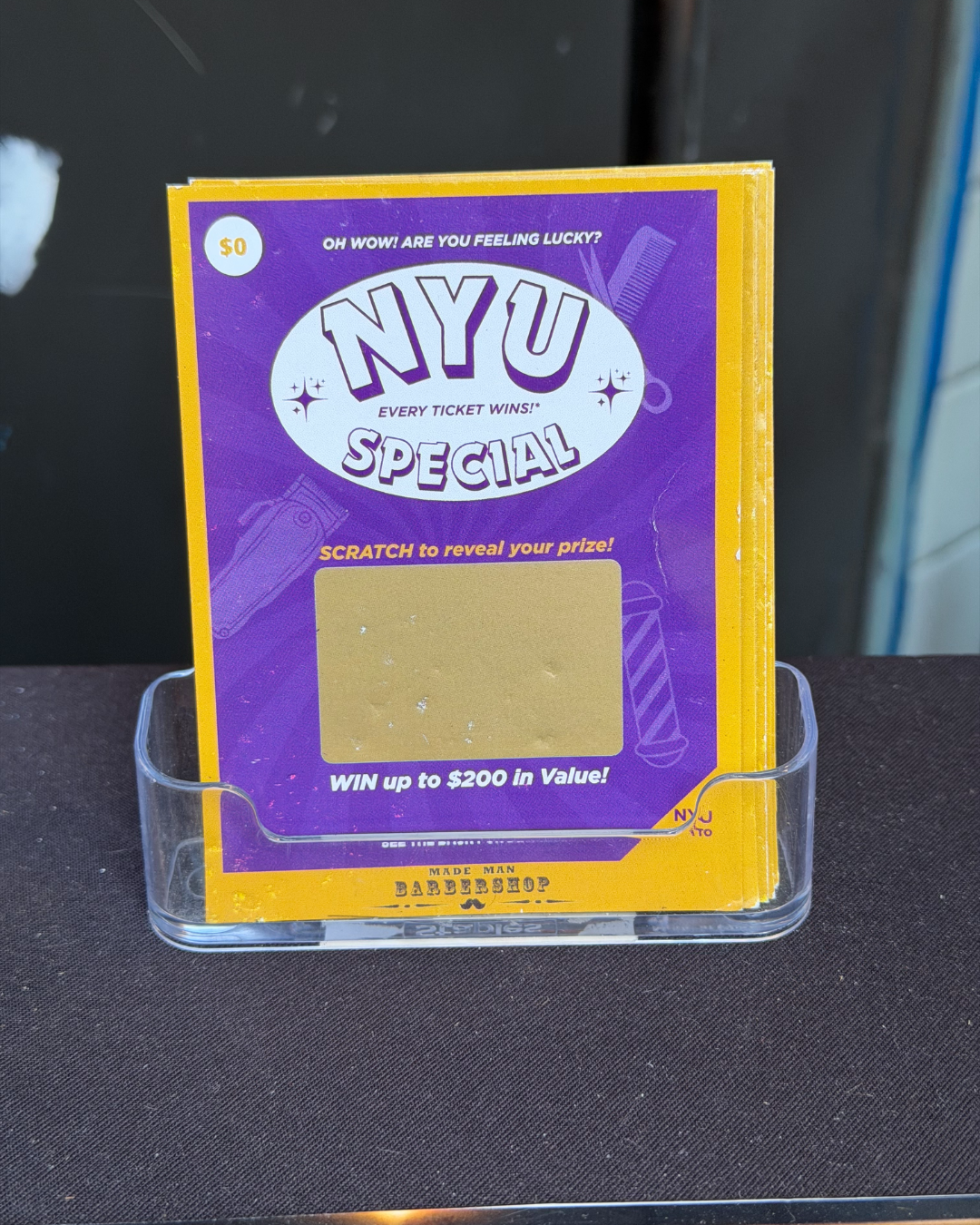
It's why I love direct mail like this:

In a world where it's never been easier to write and send digital messages, the effort, time and cost a handwritten note requires can make you stand out, make your ads more memorable, and make a founder widely loved.


The Irish Revenue example is just one of the 600+ insights in the Nudge Vaults.​

Here's a look inside:

Get access to the Vaults right now →​

Or you can preview your first 50 insights for free →

Cheers,

​Phill​

P.S. This is the best podcast I've listened to all year (and no, it's not Nudge):

¹Hallsworth, M. (2013, December 17). Paper of the week: Using Post-It notes to increase survey responses. Behavioural Insights Team.

²Garner, R. (2005). Post-it note persuasion: A sticky influence. Journal of Consumer Psychology, 15(3), 230–237.

As a behavioural science practitioner, I believe in the peak-end rule.

​Tune into Nudge | Advertise with Nudge | Unsubscribe

Nudge Newsletter

I spend 18 hours each week turning marketing psychology into readable newsletters.
Read more from Nudge Newsletter

Mystery Gifts Read online Would you go for this? It’s eufy’s UK page for a mystery gift. You get one of these security cameras for free, picked at random, and the “£499” is just the most it could be worth. Now, I have no idea if anyone is buying this. But I love it because it leverages two wonderful behavioural science principles. Free needs a value Imagine you're offering a free product in your bundle. For example, I bought a reMarkable tablet recently, which came with a free stylus....

Criticised AI mural of Bristol on Bedminster pub wall removed - BBC News

AI Designs Read online A month back, the pub down the road from me erected this mural. It tries to depict the city of Bristol, but it gets a lot wrong. The mural shows a tower from Canada rather than Bristol. There's a bridge that doesn't belong in the city. And even the Banksy looks off. Clearly, it's AI-generated. And local residents hated it. Caroline Maggs told Bristol 24/7 that it "undermines artists' work". The BMC called it disrespectful. Others called it a "slap in the face" to local...

Beyond Provocative: How One AI Company's Ad Campaign Betrays Humanity -  Roger Wong

Anchoring Read online In Alex Edmans' great book The Madness of Markets, he writes about how the bookshop Computer Literacy, Inc changed its name. The store, in 1999, became Fatbrain.com. But why? What's wrong with Computer Literacy, Inc? According to Alex Edmans, it was to profit from the dot-com bubble. And it worked. Fatbrain's stock climbed 36% after the name change. A Bloomberg article about the name change. But was the Fatbrain spike in earnings a one-off? To find out, Cooper, Dimitrov...