How Guinness made their pint seem 'perfect' | Nudge Newsletter


Specific Number Bias

โ€‹Read onlineโ€‹


Which coaster makes Guinness seem like the โ€˜๐˜ฑ๐˜ฆ๐˜ณ๐˜ง๐˜ฆ๐˜ค๐˜ต ๐˜ฑ๐˜ช๐˜ฏ๐˜ตโ€™?

Thatโ€™s what Schindlerยน (Rutgers University) and Yalch (University of Washington) studied in 2006.

They showed participants ads that used specific numbers, for example:

  • โ€œIt takes 119.5 seconds to pour the perfect pint.โ€

Vs. rounded numbers:

  • โ€œIt takes 2 minutes to pour the perfect pint.โ€

Turns out, claims made using ๐ฌ๐ฉ๐ž๐œ๐ข๐Ÿ๐ข๐œ ๐ง๐ฎ๐ฆ๐›๐ž๐ซ๐ฌ are perceived to be 10% ๐ฆ๐จ๐ซ๐ž ๐›๐ž๐ฅ๐ข๐ž๐ฏ๐š๐›๐ฅ๐ž.

By pointing out that it takes exactly 119.5 seconds to pour, Guinness makes their โ€œPerfect Pintโ€ claim more believable

Guinness are hardly the first to try this; dozens of companies use specificity in their claims. ๐Ÿ‘‡

Heinz stated they make 57 varieties of sauce.

Burger King has been grilling since 1964.

WD-40 is named as such because it's the 40th iteration of the product.

Dyson created 5,127 prototypes before mastering the vacuum.

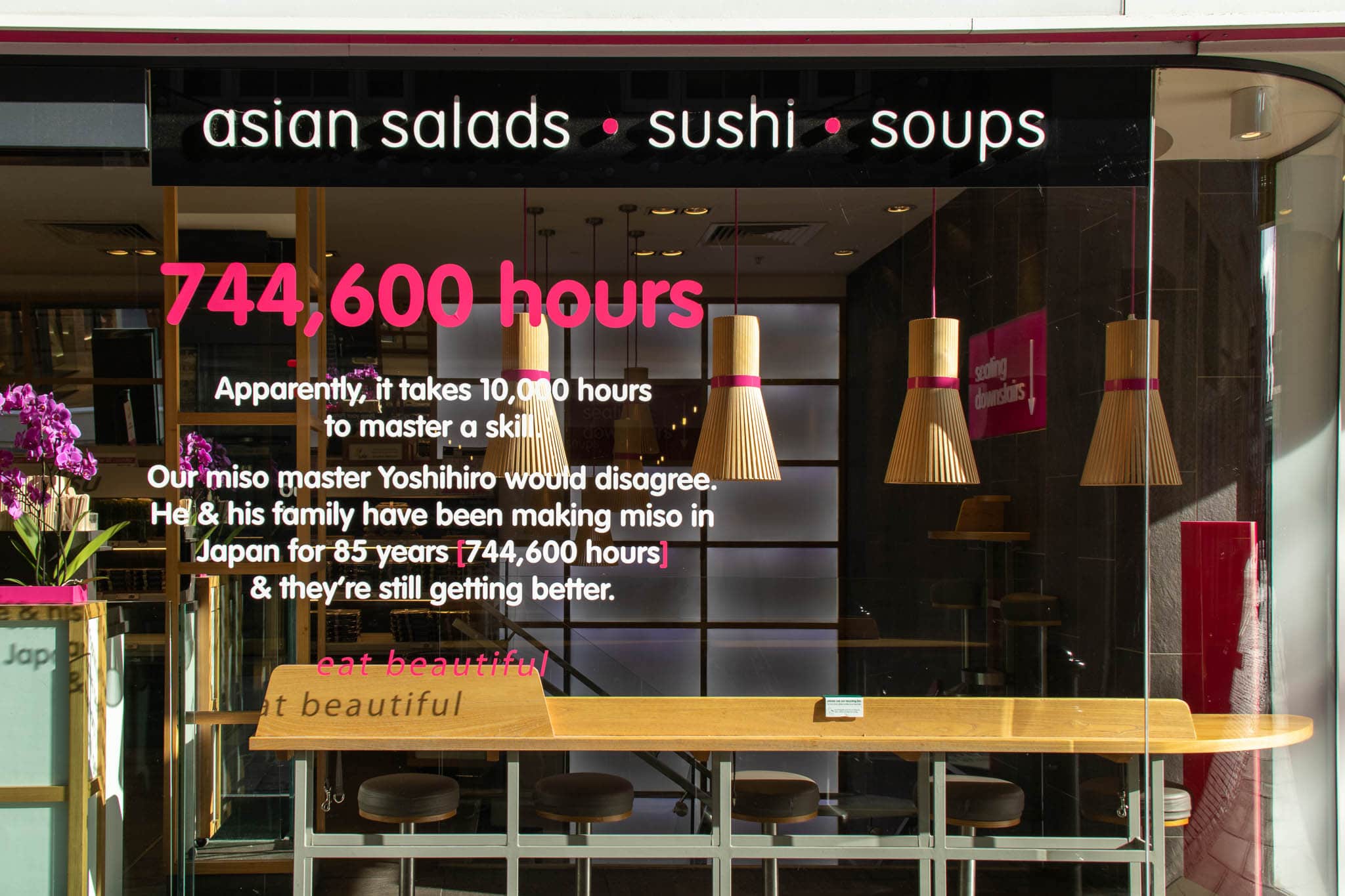
But my favourite example of specificity in marketing is this from Itsu.

All these companies know that specificity boosts trust.

Perhaps thatโ€™s one reason why Guinness is now Britainโ€™s favourite pint.


Last week I shared how I used Descript to edit the pod.

Toby.B responded and asked, โ€œwhat do you use to send your emails?โ€

In the past, I used Mailchimp. It was fineโ€ฆ but a bit clunky.

About 728 days ago*, I switched to Kit.

Unlike most newsletter tools, Kit feels simple. I can write my emails without formatting headaches, hit send, and trust theyโ€™ll land where they should.

Itโ€™s made sending Nudge emails 10x smoother and a lot less painful.

So, if you run a newsletter (or want to start one), Iโ€™d recommend giving Kit a try.

Use my link to get access for free:

โ€‹

โ€‹

Hope you're all well! I'm working hard on something exciting. โ€” Phill โ€‹

ยนSchindler, R. M., & Yalch, R. F. (2006). It seems factual, but is it? Effects of using sharp versus round numbers in advertising claims. Advances in Consumer Research, 33, 586โ€“590.

โ€‹

*Yes, that is a blatant use of the specific number bias

โ€‹

As a behavioural science practitioner, I believe in the peak-end rule.

โ€‹

โ€‹Tune into Nudge | Advertise with Nudge | Unsubscribe

Nudge Newsletter

I spend 18 hours each week turning marketing psychology into readable newsletters.

Read more from Nudge Newsletter

The Illusion of Choice Read online Give people $1 and two identical packs of gum. Same flavour. Same price. What happens? Most people aren't interested. Thatโ€™s what Kim, Novemsky, and Dharยน found in a South Korean experiment. They gave participants โ‚ฉ1,000 and two gum options, both priced at โ‚ฉ630. Only 46% bought anything. But then they did something clever. They made the prices slightly different: โ‚ฉ620 vs. โ‚ฉ640. Now 77% decided to buy. Same gum. Slight price difference. Big impact. Why? When...

Input Bias Read online Does the ๐ž๐Ÿ๐Ÿ๐จ๐ซ๐ญ put into a shop display ๐˜ข๐˜ค๐˜ต๐˜ถ๐˜ข๐˜ญ๐˜ญ๐˜บ influence sales? That's what Moralesยน set out to answer in 2005. Participants were shown round the same store, except half saw the shelves ๐ง๐ž๐š๐ญ๐ฅ๐ฒ ๐ฌ๐ญ๐š๐œ๐ค๐ž๐ ๐ฐ๐ข๐ญ๐ก ๐ก๐ข๐ ๐ก-๐ž๐Ÿ๐Ÿ๐จ๐ซ๐ญ ๐๐ข๐ฌ๐ฉ๐ฅ๐š๐ฒ๐ฌ. The other participants saw the same products, but with a ๐ฅ๐จ๐ฐ-๐ž๐Ÿ๐Ÿ๐จ๐ซ๐ญ ๐๐ข๐ฌ๐ฉ๐ฅ๐š๐ฒ. The results are striking. Those who saw the high-effort display were willing to pay 24.4% ๐’Ž๐’๐’“๐’†. After seeing a store display like Boots, customers were willing to pay...

Concrete Phrases Read online Which electric bus would stick in your mind? It's not even a competition. Copy that's easy to visualise is easy to memorise. In 2021, Richard Shottonยน showed participants a number of vague phrases, like 'innovative quality', and then some concrete phrases, e.g., 'money in your pocket'. Shottonโ€™s concrete phrases were 8.6x more likely to be remembered. Richard Shotton's Concrete Phrases Study Heโ€™d proved the concrete phrases' effect, a phenomenon first discovered...