Be More Descriptive | Nudge Newsletter 🧠
Use descriptions that can be visualised.In 2022 researchers ran a study on product descriptions. Half saw descriptions given in weight. Half saw descriptions given in quantity. Here's what happened. |
Oreo are one of the few brands that actually use this. Rather than proudly displaying the package weight, they showcase the quantity of cookies. And doing so, should boost their sales. So, use descriptions that can be visualised: ❌ 100 GB = ✅ 50 feature length films ❌ 568 mls = ✅ 1 pint ❌ 135 MPH = ✅ Faster than you're legally allowed to drive Cheers, Phill |
Nudge Newsletter
I spend 18 hours each week turning marketing psychology into readable newsletters.

AI Designs Read online A month back, the pub down the road from me erected this mural. It tries to depict the city of Bristol, but it gets a lot wrong. The mural shows a tower from Canada rather than Bristol. There's a bridge that doesn't belong in the city. And even the Banksy looks off. Clearly, it's AI-generated. And local residents hated it. Caroline Maggs told Bristol 24/7 that it "undermines artists' work". The BMC called it disrespectful. Others called it a "slap in the face" to local...

Anchoring Read online In Alex Edmans' great book The Madness of Markets, he writes about how the bookshop Computer Literacy, Inc changed its name. The store, in 1999, became Fatbrain.com. But why? What's wrong with Computer Literacy, Inc? According to Alex Edmans, it was to profit from the dot-com bubble. And it worked. Fatbrain's stock climbed 36% after the name change. A Bloomberg article about the name change. But was the Fatbrain spike in earnings a one-off? To find out, Cooper, Dimitrov...
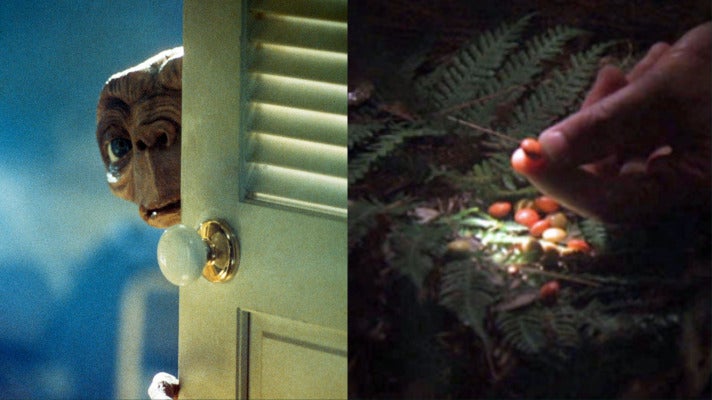
Mere Exposure Read online In E.T., director Steven Spielberg planned a scene where the alien creature was coaxed out of hiding using sweets. Keen not to miss a profitable opportunity, Spielberg approached Mars to use M&M’s for a small fee. Mars turned Spielberg down. Undeterred, Spielberg asked Hershey’s for product placement. Hershey’s had just launched Reese’s Pieces, so they jumped at the chance to feature the new chocolates on screen. Reese’s Pieces were used to lure out the alien. After...